

There are many learning lessons on culture from visiting The Galapagos for anyone paying attention to the impacts of culture and environment on collaboration and communications. Having completed my second visit and planning a third, I wanted to share some of the simple big picture influences that I gained from my journey. So many things apply to this unique place that should be much more common in our workplaces.
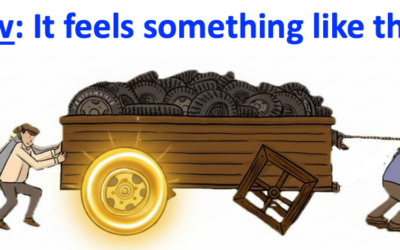
I wrote a long article in early March of 2023, and I would be hard-pressed to elaborate in more detail. You can find it here or by clicking on the image below.
Here is a summary of the key points from the text:
- Scott draws parallels between the Galapagos Islands and organizational culture, highlighting the uniqueness and diversity of both.
- The islands are tightly protected and recognized for their global uniqueness, with efforts to expand protected marine environments.
- The islands’ isolation and strict regulations contribute to the development and support of unique species.
- The author emphasizes the calmness and mutual trust observed between humans and animals in the Galapagos.
- Some animals, like tortoises, require human intervention and protection to thrive, similar to how individuals within organizations need support and development.
- The importance of protecting culture and showing kindness is highlighted, drawing parallels between the impacts of human actions on the islands and managerial decisions within organizations.
- Collaboration is emphasized as a key learning point, with a call for better collaboration on a global scale to address environmental issues and improve organizational performance.
- The need for inter-departmental and inter-organizational collaboration is highlighted, with examples from the auto industry’s quality improvements and the importance of addressing competition between departments.
- Scott encourages collaboration on critical global issues such as environmental protection, immigration, food production, and clean water.

Please click on this image to go to the more detailed article.
To illustrate the reality of disruption:
One irony is that this relatively smoothly operating environment was dramatically impacted when one of the two supply ships to the islands went into a months-long repair. The “managers” of the island apparently chose NOT to put a replacement ship into play (and all this IS tightly regulated) so there are now human shortages of drinking water, food, gas and so many other basic items for the 50,000 inhabitants of the islands, and this has had dramatic impacts on the quality of the experience for the tourists on which those residents depend. This shows the connectedness of all things and the reality that basic supplies are now in short supply is simply hard to understand. ONE person, most likely, has made the choices to affect the quality of life of many thousands of people because something went “off-budget” and no plans were made to solve what looks to be a simple problem…
Understand that this is a very smoothly operating culture for animals and humans, that the animals show no fear of humans because they are treated with respect and without interference. One can simply approach pretty much ANY of the wildlife with little problems. You can stand 5 feet from a nesting booby or a mother and baby sea lion (except in mating season when the big 9 foot-long bulls may get a little more aggressive).

You can get quite close to the baby sea lions, turtles and crabs with no fears.

The key learning lesson around the islands is that one can establish an equilibrium and culture that supports all the creatures. The people treat the animals with respect and allow the animals to perform nicely in relationship to their environment. There is little aggression between any of these species and between the animals and the people. The ecology is generally sustainable.
BUT, it takes planning and dedication.
And, I hope that these simple insights might inspire some global leadership changes and a commitment to make things better.
My friends had some of these thoughts about the longer article, which prompted me to write this one:
I hope this is helpful! Thank you for sharing!
—
For the FUN of It!
 Dr. Scott Simmerman is a designer of team building games and organization improvement tools.
Managing Partner of Performance Management Company since 1984, he is an experienced presenter and consultant who is trying to retire!! He now lives in Cuenca, Ecuador.
You can reach Scott at scott@squarewheels.com
Learn more about Scott at his LinkedIn site.
Scott is the developer of an excellent team building exercise focused on collaboration, engagement and leadership called:

Here is a link to a press release about The Search for The Lost Dutchman’s Gold Mine teambuilding exercise and its 30 years of positively impacting people and performance.
Pricing and terms are subject to change without notice.
Square Wheels® is a registered trademark of Performance Management Company
The Search for The Lost Dutchman’s Gold Mine is a trademark of Performance Management Company


0 Comments