
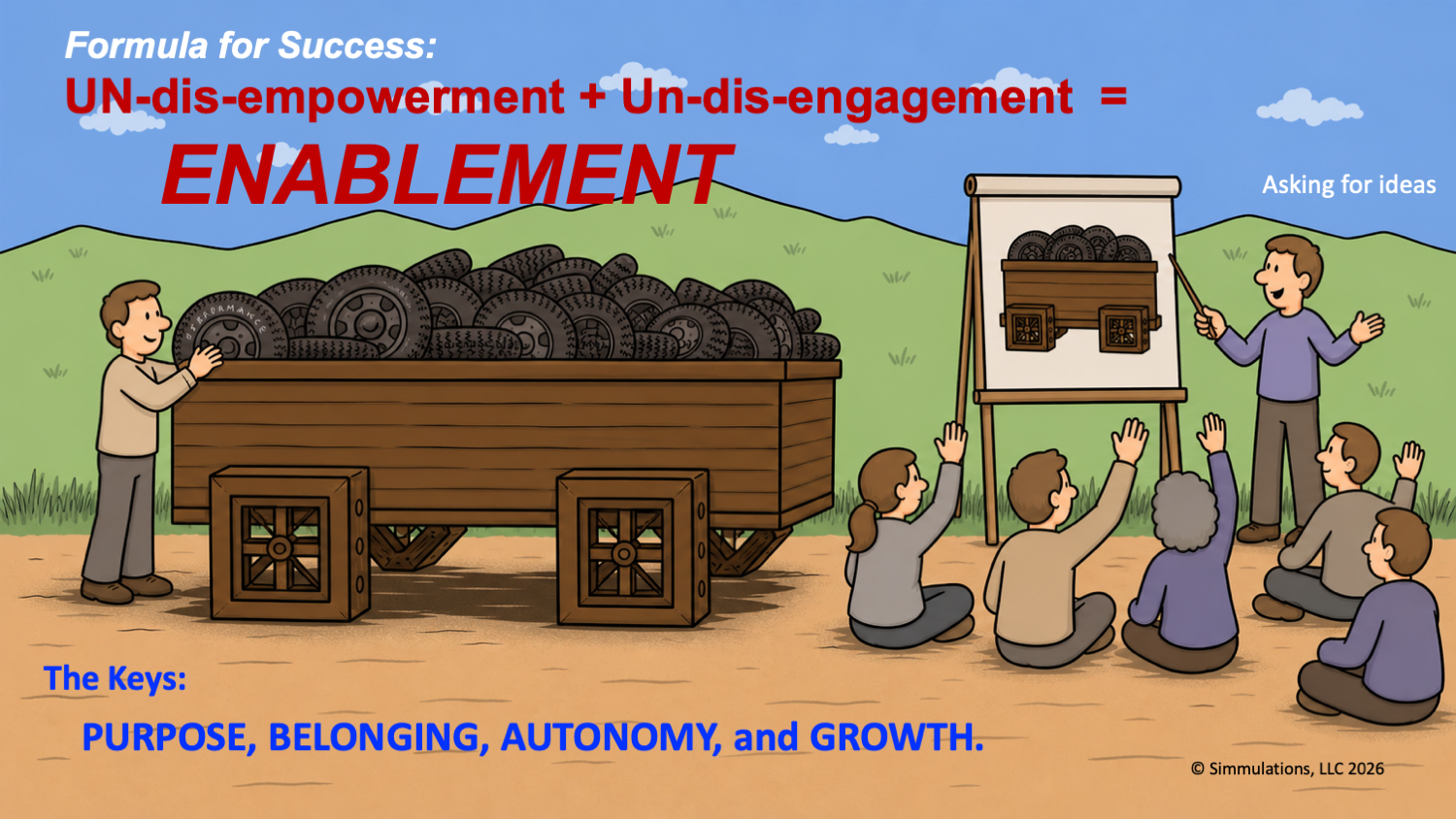
What Supervisors Can Do in a Toxic Workplace: Small choices that protect people and improve performance by enabling change and collaboration.
Most supervisors do not control the whole culture, but they do shape the daily experience of work for the people around them. In a toxic workplace, that matters enormously. Research and commentary on toxic work environments consistently point to disrespect, fear, abusive behavior, and low trust as core drivers of disengagement, turnover, and emotional strain. And it is bad out there. Toxicity is common, not exceptional: more than half of workers report their boss as mildly to highly toxic, and about one in five people leave jobs because of toxic environments rather than pay. (link)
Supervisors may not be able to change executive behavior overnight, but they can influence whether their team operates in fear or with a sense of steadiness and respect. They can function as gatekeepers as well as enablers of local change and innovation. They can use the reactions of their people as a support mechanism to sustain their effectiveness.
Supervisors can influence whether their team operates in fear
or with a sense of steadiness and respect.
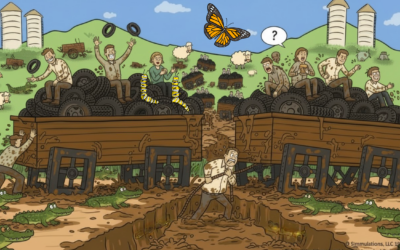
That is the practical opportunity available. Even inside a difficult organization, a supervisor can become the person who reduces friction, clarifies expectations, protects dignity, and helps people find round wheels instead of grinding everyone down into the mud with the Square Wheels® found everywhere.
Note: This blog is not written as a training program; we have plenty of blogs around how to use the images to involve and engage people or to clarify missions and visions. You can download the main image, Square Wheels One, for FREE under a Creative Commons license here, and it includes training and support materials to make your first use of the image highly effective.
The supervisor’s real role in impacting performance
For most employees, culture is real, and not some abstract corporate value statement. Culture is the manager they report to, the tone of meetings, the fairness of feedback, the speed of decisions, and whether it feels safe to raise a concern. That means supervisors are often the strongest local force for either toxicity or stability. A supervisor who is calm, clear, and fair can create a surprisingly healthy team climate even inside a larger organization that remains bumpy and political.
The opposite is also true. Supervisors who avoid conflict, play favorites, communicate inconsistently, or pass pressure downward often magnify the damage done by the larger system. Some managers feel that controlling their people is their pathway to success. But to me, that often feels like this:
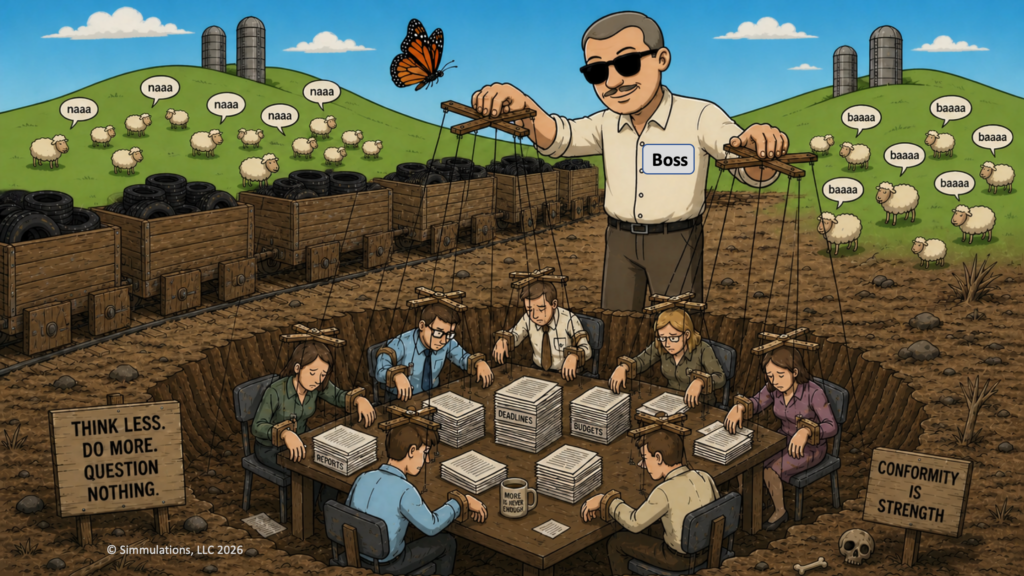
The “puppet reality” of The Boss feeling the need to control things and the reality of performance over time. Note that the butterfly represents, “Hope.”
Employees need leadership and need to feel enabled, not controlled. And they do not need a supervisor who is perfect. They need to feel the support from someone who is intentional, predictable, and willing to make the work more human. They need to feel that their work is appreciated by others and that they are working to make a contribution to the team.
What people need most from supervisors
In difficult workplaces, people need but a few essentials from their immediate leader. They need respect in everyday interactions. They need clarity about what matters most. They need honest feedback that is effective in improving results and sustaining performance, and not humiliating. They need someone who notices overload before burnout becomes visible. And they need to know that raising a problem will not automatically make them the problem.
Supervisors help most when they reduce uncertainty. A short, clear explanation of priorities can calm a stressed team faster than an inspirational speech. A fair response to a mistake can rebuild trust faster than a formal values campaign. Small moments accumulate. (So do small injuries.)
If you look at the survey that Gallup uses for assessing engagement, it has only 12 items. And, Gallup’s own summary is that engagement improves when basic needs are met and people have a chance to contribute, belong, and grow in meaningful ways. When expectations are clear, resources are adequate, and people regularly do what they do best, they generate more discretionary effort and higher-quality work.
Frequent recognition, caring relationships, and a sense that one’s opinions matter build psychological safety, which supports voice and problem-solving. Finally, when individuals see a compelling purpose, feel surrounded by colleagues committed to quality, and experience ongoing feedback and development, they are far more likely to be actively involved in improving performance, not just complying with it.
Where Square Wheels conversations will help supervisors and their people
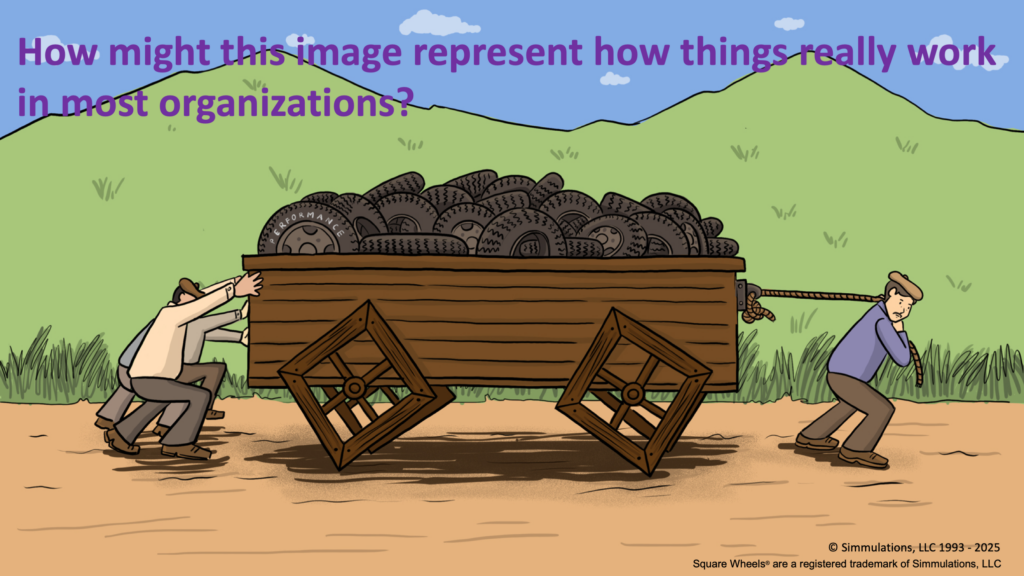
Click on this image to download Square Wheels One for FREE
The Square Wheels® metaphor is especially useful for supervisors because it creates a safe and practical language for team improvement around ideas for innovation. Instead of asking people to complain about management or confess frustration directly, a supervisor can put the image on the table and ask, “What are the Square Wheels making our work harder than it needs to be?” That question lowers the emotional temperature and gives people a way to name obstacles without feeling disloyal or exposed.
And understand this key point: The act of asking for ideas also gets the supervisor and their people actively involved in helping people to fix the issues and opportunities that they agree exist. They work together with their people to fix things, to make tangible improvements and address the things that their people see needing fixing. That effort underlies the building of a community, where people choose to buy-in and get engaged and where the supervisor can operate to enable their people to make changes to improve things.
On a team, Square Wheels might represent confusing handoffs, unclear deadlines, unnecessary approvals, chronic interruptions, poor meeting habits, or conflict that everyone sees but nobody addresses. Once those wheels are visible, the supervisor can ask the more hopeful question: “What Round Wheels could we try?” That moves the conversation away from helplessness and toward agency.
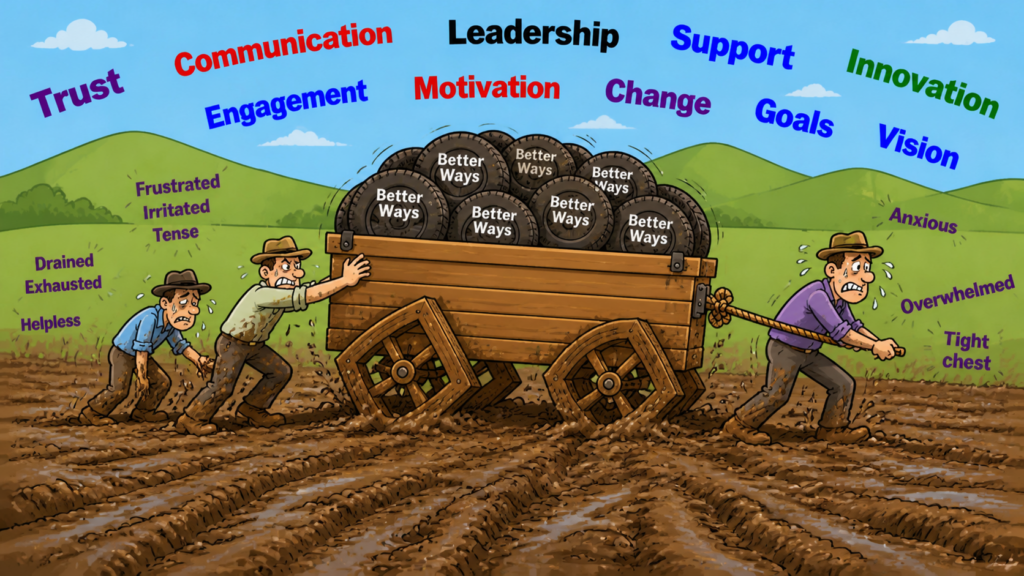
There are many themes and emotions tied to a discussion about workplace reality and possibilities for improvement and these are essential conversations for enablement.
Practical choices supervisors can make now
A supervisor in a rough workplace still has meaningful choices.
First, choose clarity over confusion. When senior leaders send mixed signals, translate priorities for the team as honestly as possible. Tell people what matters now, what can wait, and what remains uncertain. This reduces anxiety and prevents people from wasting energy on guessing games. But this should not be a blame frame, just workplace reality.
Second, choose respect over pressure theater. Do not use sarcasm, public embarrassment, or urgency language as a management style. People may comply in the short run, but fear-based supervision steadily erodes trust and initiative.
Third, choose early conversations over avoidance. Small problems become major resentments when left untouched. When tensions rise between team members, address them directly and calmly before they harden into patterns.
Fourth, choose fairness over favoritism. Toxic cultures often teach employees to watch who gets protected, who gets blamed, and whose voice counts. Supervisors build credibility when expectations, recognition, and accountability are handled consistently.
Fifth, choose listening over defensiveness. When someone names a problem, resist the urge to explain it away. In many toxic workplaces, employees have already tested whether candor is safe. A supervisor who listens carefully may be repairing more than the immediate issue. Consider using Square Wheels One to prompt useful discussions.
Protecting people while improving work
One of the best things a supervisor can do is reduce unnecessary frictions. This is where Square Wheels One becomes more than a communication tool. The language becomes a method for improvement. In a team meeting, a supervisor can ask people to identify the biggest Square Wheels they face each week. Then the team can decide which one is within their control to improve.
That might mean simplifying a handoff process, setting a rule for meeting agendas, clarifying who makes which decisions, or agreeing on response-time norms so people are not trapped in constant interruption. None of these changes will fix a deeply broken enterprise by themselves. But they can make one team more functional, more humane, and more effective and they focus on future improvements, goals and objectives.
Those local improvements matter because they create evidence. They show employees that not all pain is inevitable and that a team can work differently. They also demonstrate to higher management that practical, employee-informed changes can improve flow and reduce frustration.
Helping people stay realistic and healthy and enabled
Supervisors also need to recognize their limits. Some workplaces are so unhealthy that the right answer for an employee may eventually be transfer or exit to a different workplace. A constructive supervisor should not pretend every problem can be solved inside the team. Sometimes the most ethical action is to help a person think clearly about their options, timing, and self-protection.
That does not mean becoming cynical. It means being honest. If the larger organization continues to reward toxic behavior, ignore integrity concerns, or overload people chronically, supervisors should avoid false promises. What they can do is support professional growth, encourage healthy boundaries, document issues appropriately, and create as much stability as possible in the space they control.
And, it is hard to predict the kinds of influences and impacts AI will be having on how people are managed, how performance is measured, and how ideas for innovation are captured. But it is obvious that effective supervision of the workers and workplace performance results will be a key to organizational success. That will not go away and organizations need to build in some flexibility for change and experimentation.
The opportunity for everyday pragmatic leadership
Good supervisors rarely get credit for the many quiet ways they improve a workplace. Yet much of organizational health is built through ordinary daily choices: how feedback is given, whether stress is acknowledged, how conflict is handled, and whether people are treated as partners or problems. Those choices shape trust, and trust shapes performance and how people feel about contributing to organizational success.
Square Wheels tools, and I have a wide variety of them, gives supervisors a practical way to hold those conversations down the road. The images and metaphor(s) makes it easier to surface friction, involve people in finding better approaches, and create small wins that matter. In a toxic workplace, a supervisor may not be able to rebuild the whole organization. But that supervisor can absolutely help one team roll better, suffer less, and perform with greater dignity.
Improving conversations and communications within a workplace has obvious benefits and your best supervisors are already doing many of these things. What I share are simply more tools that can be used successfully by more managers to involve and engage their people in the creation or more positive stories about improvement.
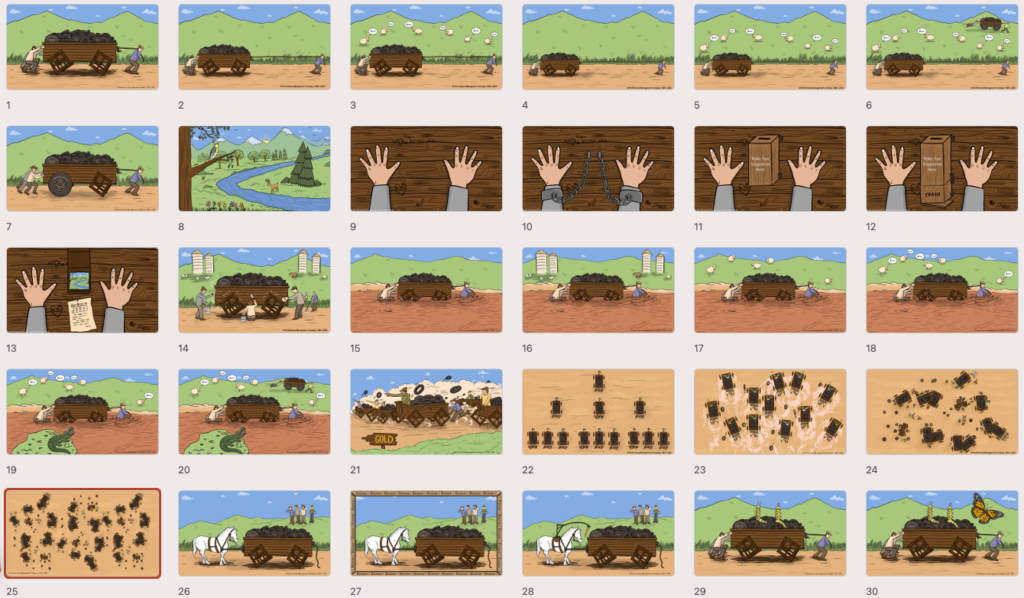
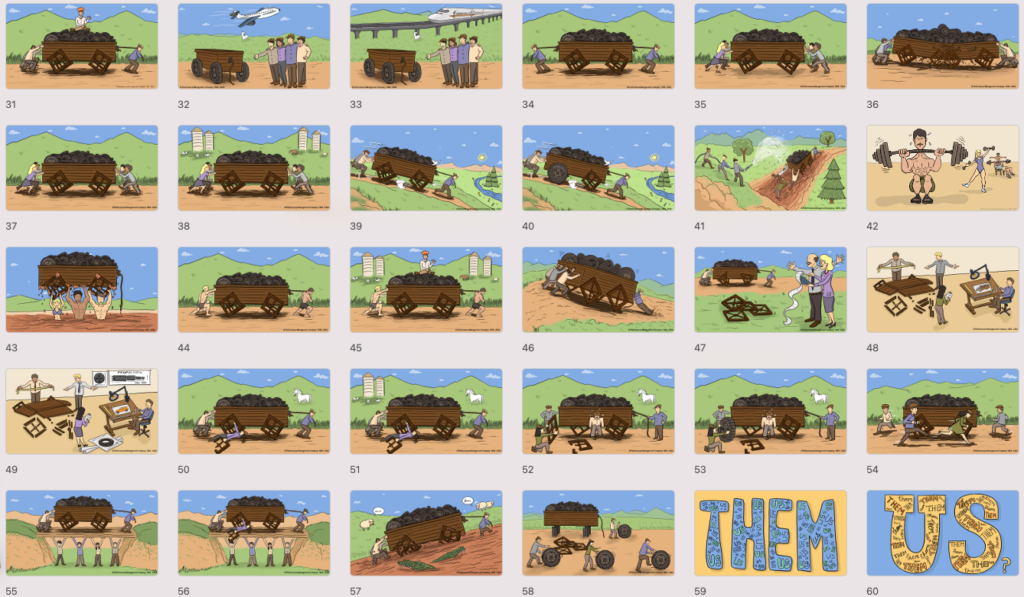
Some of the hundreds of images in the Square Wheels library.
And I am there to help. If anything rings a bell that sounds right and seems like something you want to work with, connect with me. I am wide open for collaborating and leaving some footprints,
—
For the FUN of It!
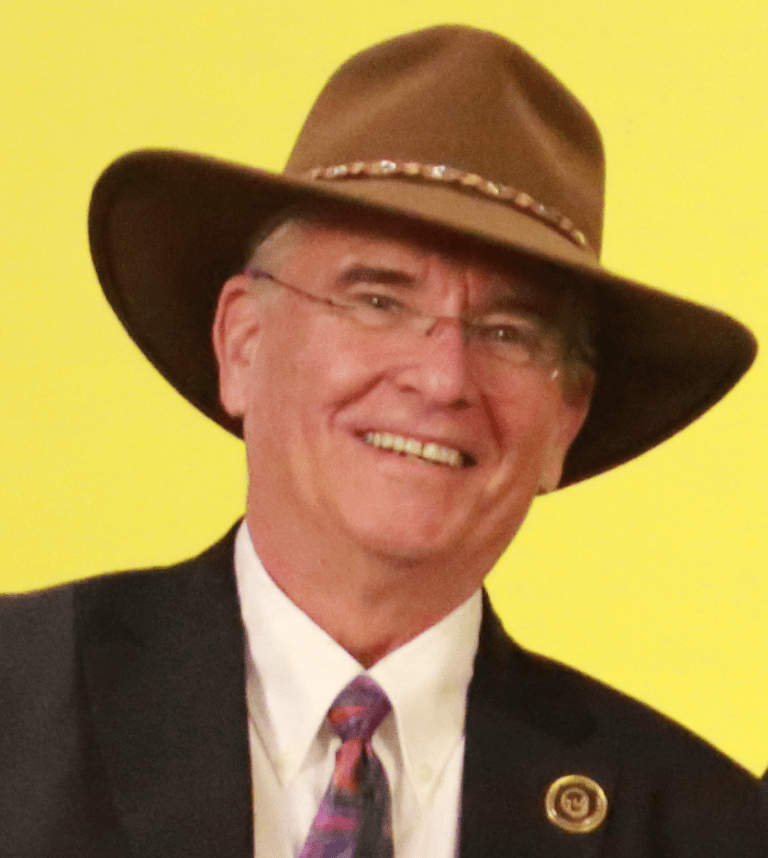 Dr. Scott Simmerman is a designer of team building games and organization improvement tools.
Managing Partner of Performance Management Company since 1984, he is an experienced presenter and consultant who is trying to retire!! He now lives in Cuenca, Ecuador.
You can reach Scott at scott@squarewheels.com
Learn more about Scott at his LinkedIn site.
Note that I often use Perplexity AI to help research and generate ideas for my posts.
Square Wheels® are a registered trademark of Simmulations, LLC
and images have been copyrighted since 1993,
© Simmulations, LLC 1993 – 2026
What I’m About:
My Square Wheels blog and website exist to help leaders, trainers, and facilitators make work smoother, more engaging, and more human. I focus on practical tools for process improvement, organizational change, and workplace collaboration that spark insight and deliver measurable results.
And I am convinced, after 30+ years of using Square Wheels®, that it is the best facilitation toolset in the world. One can use it to involve and engage people in designing workplace improvements and building engagement and collaboration. It is a unique metaphorical approach to performance improvement and we can easily license your organization to use these images and approaches.
By blending proven facilitation methods, creative problem-solving, and engaging team activities, my mission is to support organizations in building energized, sustainable cultures of involvement and innovation.
Through accessible — and often free — resources and virtual facilitation tools, I aim to help teams everywhere collaborate more effectively, innovate continuously, and take ownership of their improvement journey.
#SquareWheels #InnovationAtWork #TeamEngagement #FacilitationTools #WorkplaceImprovement #EmployeeEngagement #CreativeProblemSolving #OrganizationalDevelopment #LeadershipTools #collaboration #leadership #motivation #communications #enablement #leadership #CreativeCommons #enablingperformance #teamwork #storytelling #storyasking



0 Comments