
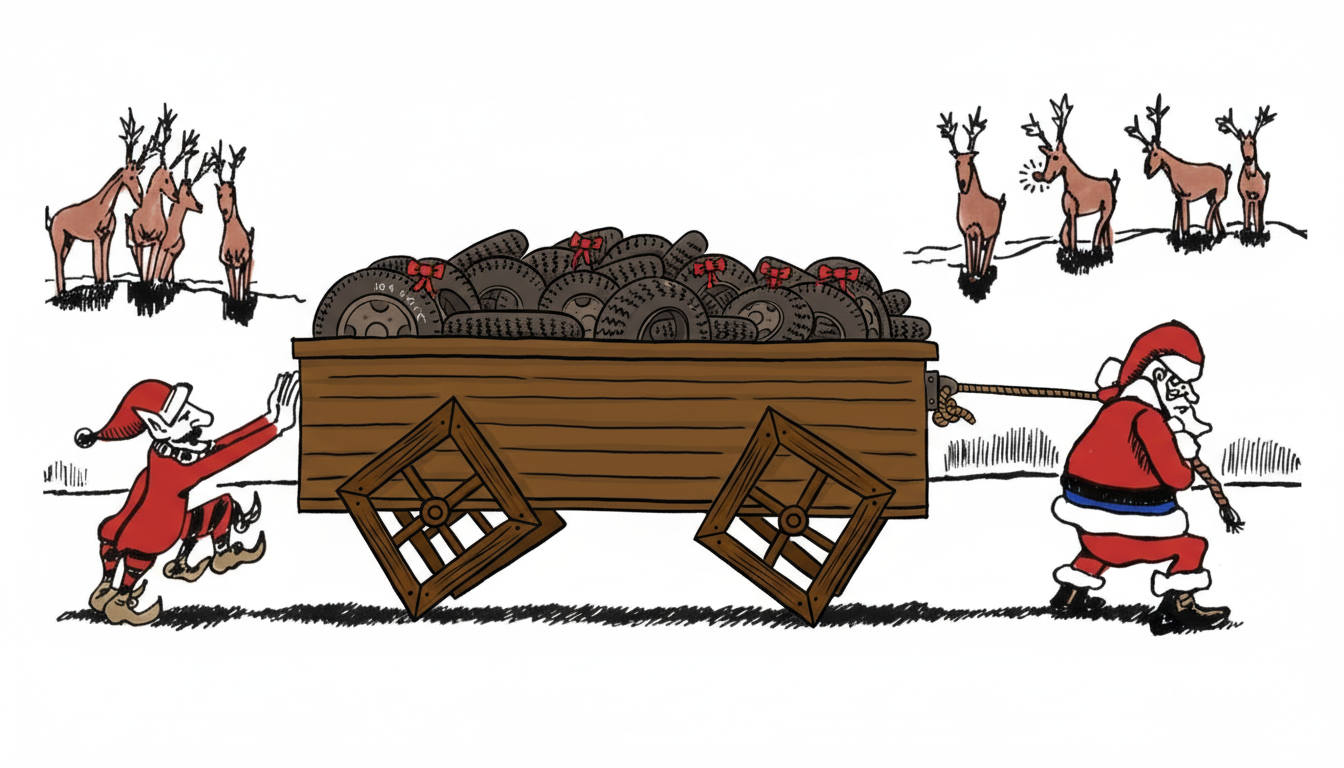
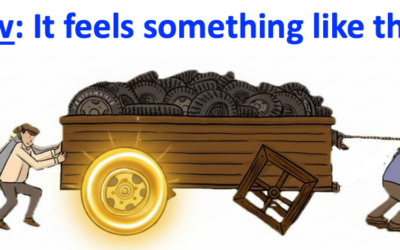
Every year, the elves and reindeer keep finding some of Santa’s Square Wheels for improvement and they offer up round wheel possibilities…
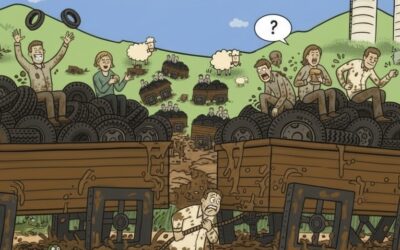
Those engaged elves and reindeer see a wagon that “does roll” but with a lot of unnecessary friction: overloaded traditions, clunky processes, and one-night heroics that make the journey far harder than it needs to be.
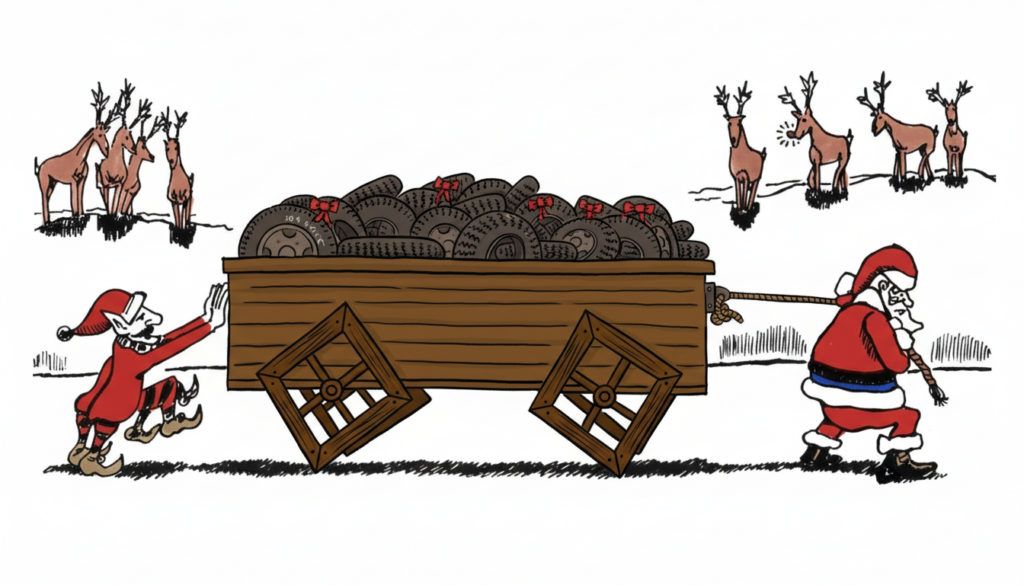
How things have really been working for a long time…
Square Wheels® from the elves’ view
From an elf-eye view, several square wheels would stand out around the workshop:
-
Endless peak‑season crunch
The calendar is built around a massive December 24 deadline, so most of the year feels like low‑grade pressure followed by a frantic sprint, instead of smoother, leveled‑out production and delivery cycles. -
Invisible or unquestioned “magic” processes
Work is often explained away as “Santa magic,” which can hide real bottlenecks in toy design, approvals, quality checks, and last‑minute list changes that could instead be mapped, simplified, and improved. -
Narrow roles and pigeonholed talent
Elves are typecast as toy makers and wrappers, even though many have broader skills (design, data, logistics, IT) that could improve the whole system if roles and teams were more fluid. -
Cheer culture that suppresses dissent
The myth says elves are always happy, which can make it hard or unsafe to say, “This line is broken,” “This quota is impossible,” or “We need a new sled,” so real problems stay buried under forced festivity.
Square Wheels® from the reindeers’ view
Reindeer experience a different but related set of square wheels:
-
One‑night, high‑risk heroics
They are expected to pull an overloaded sleigh, in all conditions, in a single global overnight run of hundreds of millions of visits worldwide, instead of experimenting with staged deliveries, support teams, or alternative transport “round wheels.” -
Unequal workload and status
The Rudolph story highlights favoritism, exclusion, and last‑minute “inclusion when needed,” signaling that recognition depends on crisis performance instead of continuous contribution and team health. -
Limited say in route and design
Reindeer are the “front line” but seem to have little voice in flight planning, sleigh design, or load management—classic “we pull it, they plan it” misalignment that wastes their lived experience.
Workshop‑level Square Wheels®
Looking at the whole North Pole as a Square Wheels wagon, more systemic friction shows up:
-
Over‑reliance on tradition
“We’ve always done it this way” locks in old workflows, job structures, and tools, even as the volume and complexity of gifts explode and digital expectations soar. -
Binary naughty/nice data model
A simple list and binary sorting misses nuance, leads to rework and appeals, and prevents more relational, developmental approaches that would actually reduce rework and improve joy over time. -
Myth of infinite, happy labor
The story that elves love all work, at any volume, for any duration, masks issues of workload, recovery, growth, and fairness that a real “engagement” conversation would surface and address.
What round wheels might be “in the wagon”?
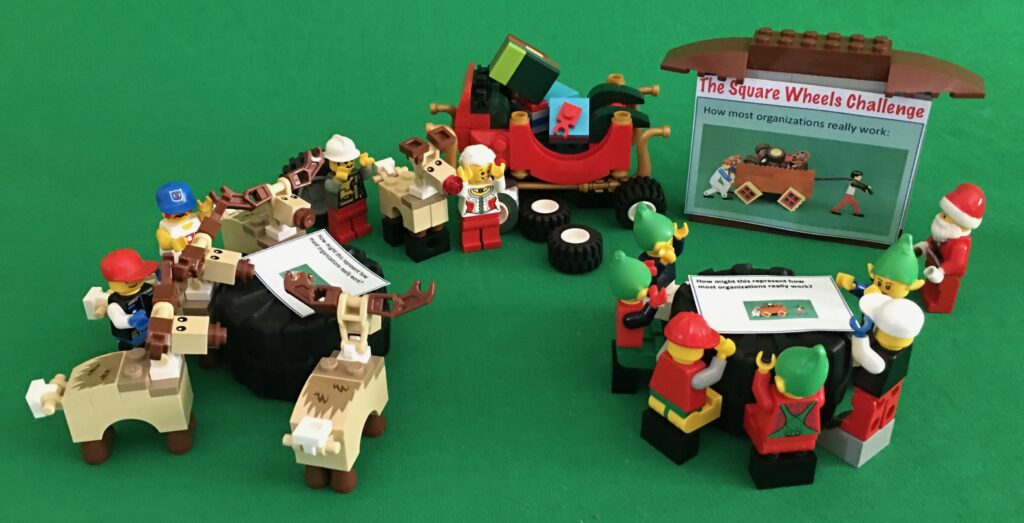
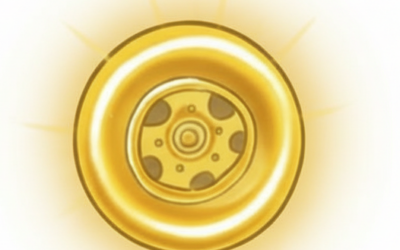
The elves and reindeer naturally already see some round wheels lying around, just not yet installed:
-
Smoother, more continuous production and delivery cycles instead of one massive crunch.
-
Cross‑training and multi‑skilling so elves and reindeer can contribute where their strengths are greatest.
-
Regular “snow‑circle” conversations where elves and reindeer safely name the square wheels and co‑design better ways of working.
-
Data‑informed planning of volumes, routes, and loads that uses everyone’s on‑the‑ground insight, not just Santa’s list.
These are exactly the kinds of issues a Square Wheels Santa‑workshop image can surface in a session: “If you were an elf or reindeer in this scene, what’s clunky about how the wagon is set up—and what better wheels do you already see hiding in the snow?”
And reindeer and elves of course want to be involved in discussing ideas for workplace improvement. They are just like every worker in the world and of course they see things that might be done differently. Being involved and engaged in a discussion of possibilities is a powerful motivator of change and improvement.
Will they make all the changes? Of course not, but engagement in the discussion process would surely allow the team to look for things that they can do differently to improve Santa’s Workshop and their important work for the world’s children. This dis-un-engagement process would be an interesting and important one to keep things rolling around this time of year.
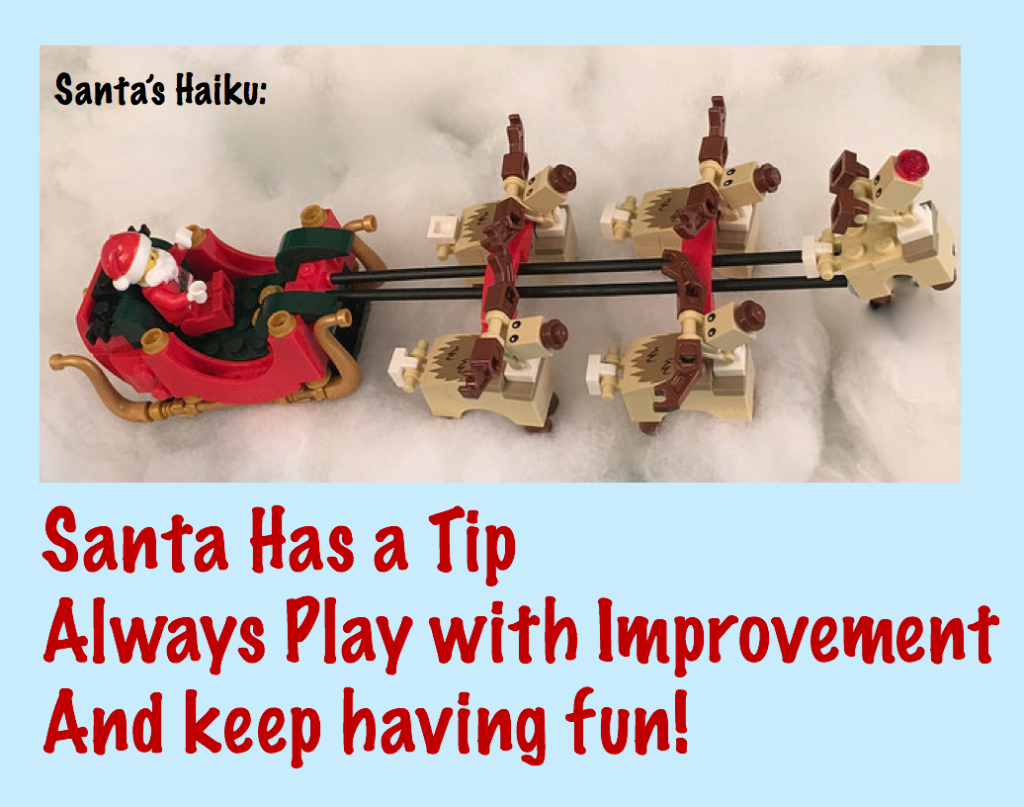
Ya think? (I love playing with this stuff!!)
—
For the FUN of It!
 Dr. Scott Simmerman is a designer of team building games and organization improvement tools.
Managing Partner of Performance Management Company since 1984, he is an experienced presenter and consultant who is trying to retire!! He now lives in Cuenca, Ecuador.
You can reach Scott at scott@squarewheels.com
Learn more about Scott at his LinkedIn site.
Square Wheels® are a registered trademark of Simmulations, LLC
and images have been copyrighted since 1993,
© Simmulations, LLC 1993 – 2025
What I’m About:
My Square Wheels blog and website exist to help leaders, trainers, and facilitators make work smoother, more engaging, and more human. I focus on practical tools for process improvement, organizational change, and workplace collaboration that spark insight and deliver measurable results.
And I am convinced, after 30+ years of using Square Wheels®, that it is the best facilitation toolset in the world. One can use it to involve and engage people in designing workplace improvements and building engagement and collaboration. It is a unique metaphorical approach to performance improvement and we can easily license your organization to use these images and approaches.
By blending proven facilitation methods, creative problem-solving, and engaging team activities, my mission is to support organizations in building energized, sustainable cultures of involvement and innovation.
Through accessible — and often free — resources and virtual facilitation tools, I aim to help teams everywhere collaborate more effectively, innovate continuously, and take ownership of their improvement journey.
#SquareWheels #InnovationAtWork #TeamEngagement #FacilitationTools #WorkplaceImprovement #EmployeeEngagement #CreativeProblemSolving #OrganizationalDevelopment #LeadershipTools #collaboration #leadership #motivation #communications #enablement #leadership #CreativeCommons #enablingperformance #teamwork #santa #santasworkshop #christmas

0 Comments