
A facilitated session on organizational improvement and innovation needs more than clever activities; it needs a clear rationale for why those activities actually change how people think and behave. The Square Wheels® tools give a professional facilitator a built-in metacognitive engine for doing exactly that: helping people see “the way things work now,” notice the frictions, build some cognitive dissonance and then consciously choose better “round wheels” together.
Below are some ideas that anyone can adapt directly but with a focus on the professional facilitator community.
Thinking about Thinking: Why most “improvement” sessions don’t improve much to actually improve anything and what we can do differently.
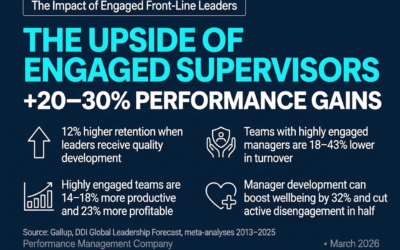
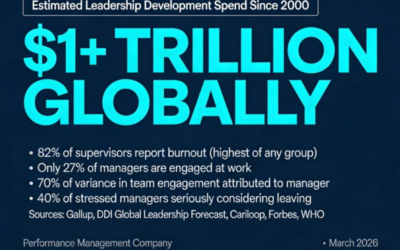
Organizations invest huge amounts of time and money in training and off-sites for leadership, senior manager development, and executive coaching something on the order of USD 80–120+ billion annually worldwide, yet very little of that effort turns into sustained meaningful change back at work (and especially with the workers). Entertaining facilitators design nice fun programs where people enjoy the day, nod their heads at the ideas, and then drift back into the comfort of old routines. (here and here)
The core problem usually isn’t content. It’s cognition.
Most of us also underestimate the inner conversation that drives that cognition. My friend Peter Vadja has long pointed out that leaders don’t just show up with roles and responsibilities; they show up with stories, assumptions, and quiet self‑talk about what is “safe,” what is “possible,” and what will “get them in trouble.”
When those unexamined narratives are running the show, people will nod at new ideas in public and then unconsciously default to old patterns in private. A big part of our work as facilitators is helping people surface that inner dialogue, look at it without judgment, and consciously choose more useful ways of thinking about change and about each other.
And, most participants have never been taught to notice how they think about problems, or how their assumptions and habits shape the solutions they see. They show up to a workshop and expect to be “filled up” with ideas, rather than invited to reflect on how they approach improvement and innovation in the first place. But what if their thinking was improved and deepened?
If we want real organizational improvement and innovation, we have to help people think differently about their thinking. That is where metacognition and good facilitation meet.
Metacognition: The Oft-Missing Ingredient in Facilitations
Metacognition is “thinking about thinking” – the ability to notice, monitor, and adjust your own mental processes. Peter Vadja’s work adds an important layer here: it is not just about how we think, but about our willingness to be present to ourselves in the moment, to notice our reactions, our defenses, and our stories about other people as they arise. When a senior manager catches themselves thinking, “This is just another flavor‑of‑the‑month,” and can name that thought rather than be run by it, they suddenly have a choice. They can stay in the old rut, or they can lean into curiosity and possibility. That moment of awareness is where real improvement starts.
Choose to get out of the ditch and up on the road, but remember there are 2 kilometers of ditch for every kilometer of road. Pay Attention!
In an improvement context, it means things like:
-
Noticing: “How are we currently defining this problem? What are we ignoring?”
-
Monitoring: “Is the way we’re working on this actually moving us forward?”
-
Adjusting: “What could we change about our approach that might get better results?”
In practical terms, that means inviting people to pay attention not only to the content of a discussion, but to their internal experience of it. You might say, “As you look at this situation, what are you telling yourself about your boss, your team, or your own power to change things?” or “What assumptions are you making about ‘how it has to be’?”
These are Vadja‑style questions: simple, direct, and focused on the inner stance people are taking. When we give participants permission to explore those questions safely, we move from compliance (“I’ll go along for today”) to genuine active engagement (“I can see how I’m part of the pattern and part of the solution”).
When people develop these frameworks and capabilities, they learn faster, adapt more quickly, and are much more willing to experiment with new ways of working. That’s engaged, innovation behavior.
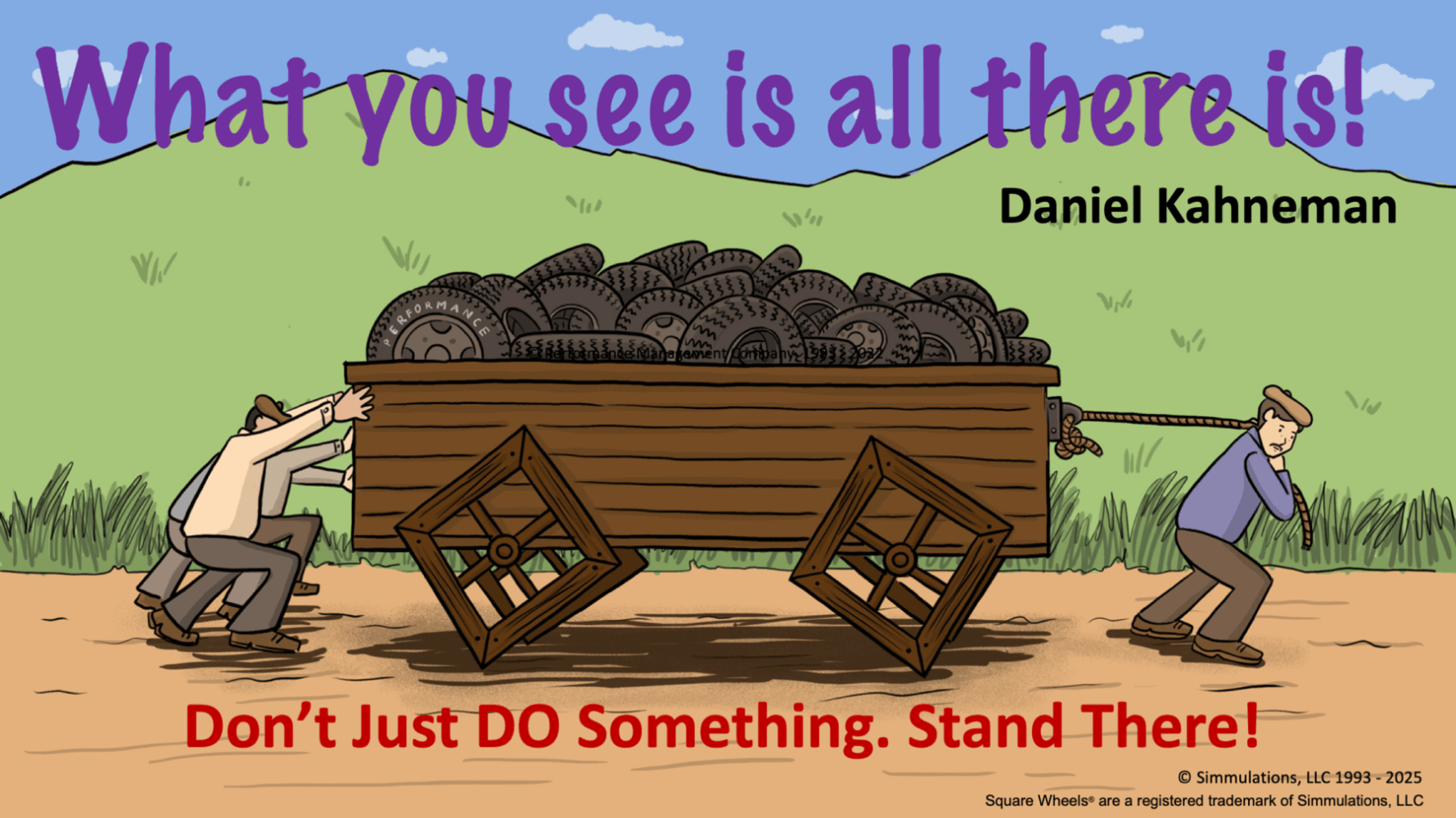
Thinking. Consider the many possibilities for improvement.
But metacognition does not emerge automatically just because you put people in a room and give them sticky notes or Miro. It needs structure, safety, and a shared language and VAK anchors — and that is where visual metaphors like Square Wheels® are very powerful facilitation tools.
Square Wheels as a Metacognitive Playground
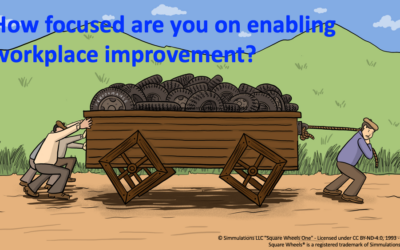
The Square Wheels One illustration looks simple: a wooden wagon rolling on Square Wheels being pulled along by a manager and being pushed by support, with a whole cargo of round wheels sitting right there. But as a facilitator, you know this image is actually a carefully designed, polished cognitive mirror in use since 1993 as an organizational development tool.
In a few seconds, people see several truths at once:
-
Things “work,” but they clearly do not work smoothly.
-
There are obvious improvements available that are not being used.
-
People are working hard to maintain a less-than-optimal reality.
-
No one in the picture is attending to the round wheels that already exist inside the wagon.
Different people see many different themes and anchor their thinking to different aspects of the image. That is one reason it is so powerful. People can share their individual perceptions to build a more complete model of how things work:
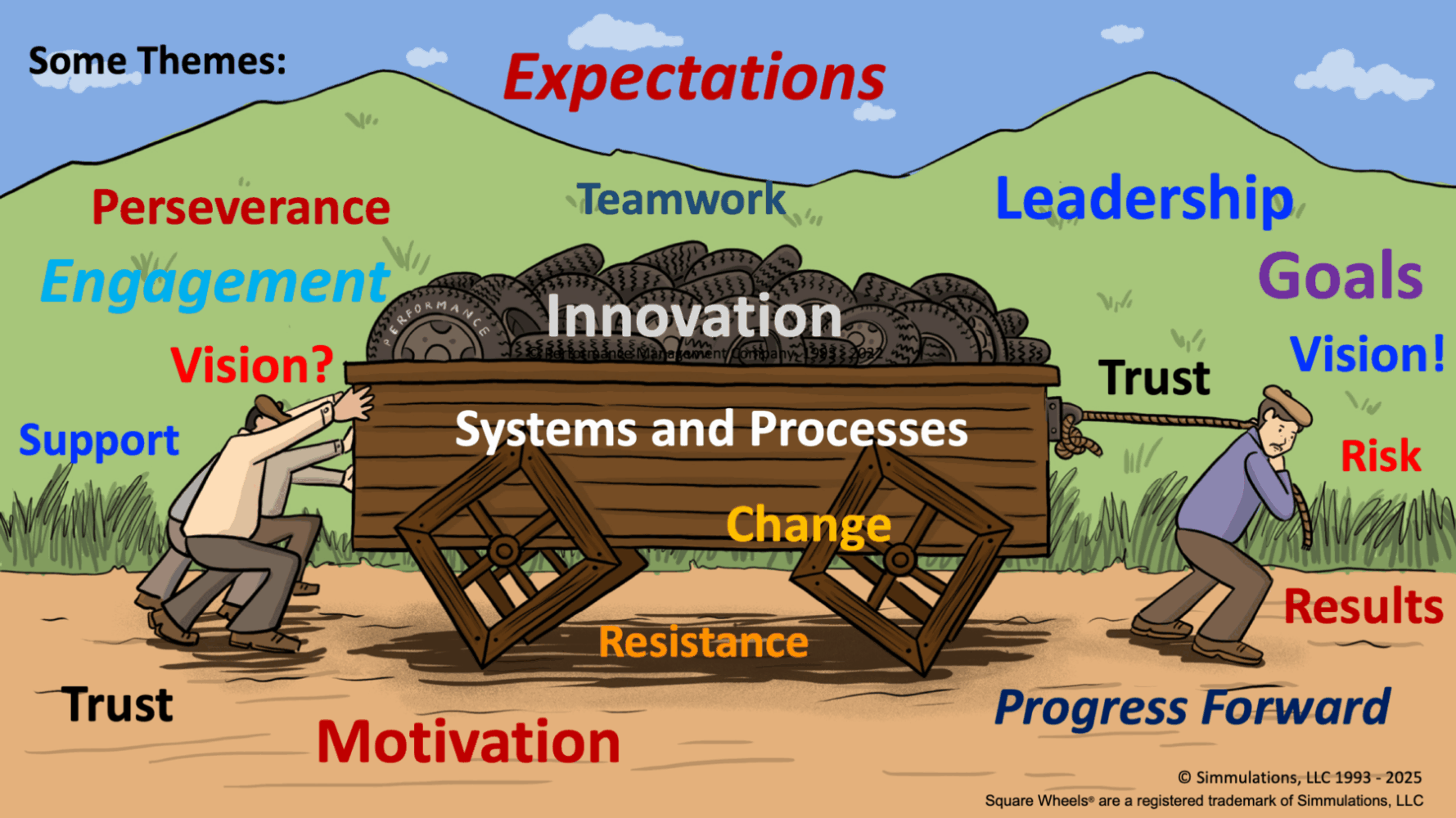
There are many different themes people see that open up discussions of issues and opportunities when using Square Wheels One
That little jolt of recognition is a metacognitive moment. Participants find themselves thinking:
-
“We’re kind of like that wagon.”
-
“We say we want innovation, but we’re still pushing the same old clunky thing.”
-
“We have ideas (round wheels), but they never seem to get on the axle.”
It is also, in Peter’s language, an invitation to wake up from autopilot. The wagon discussions become a mirror where people can see not only clunky processes, but also the beliefs that keep those Square Wheels in place: “We can’t change that,” “They’ll never listen,” “This is just how we do it.”
When participants share those beliefs out loud, the room usually discovers that many people are carrying the same quiet resignation. Once that is on the table, a facilitator can help them choose a different narrative: “What if that were not true? What if we experimented with a different story about what’s possible here?” Square Wheels gives you the picture; Vadja’s kind of work helps people step into a new script.
This is also the cognitive dissonance that opens the door for learning and change. Your role as a professional facilitator is to harness that moment and turn it into structured reflection, dialogue, and action. And the diversity of ideas one can generate with this single image is amazing; below are over 100 different reactions to Square Wheels One: (Seriously, here is an amazing List of Square Wheels from many sessions showing amazing creativity and perceptions.)

Facilitating a Session Around Organizational Improvement and Innovation
If your desired outcomes include organizational improvement, innovation, and employee enablement, you can frame a Square Wheels session around three big goals:
-
Awareness – Help people see current realities and constraints in a non-defensive, shared way.
-
Insight – Surface ideas, alternatives, and “round wheels” that already exist in the organization for future-focused discussions.
-
Commitment – Align on small, concrete improvements that participants can act on immediately.
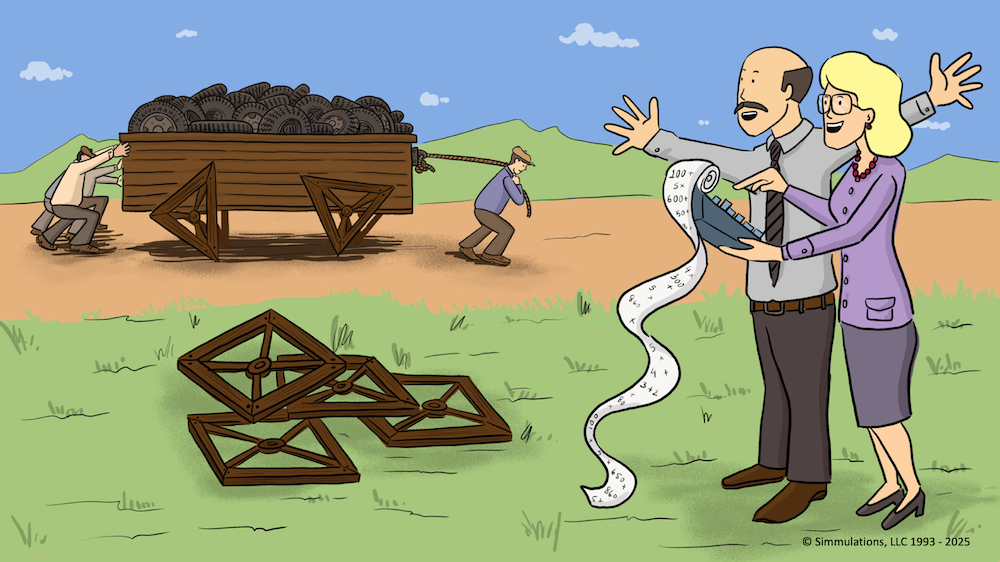
ONE name for this image is, “One Less Bump per Revolution.” Change can be dangerous without understanding how things really work.
Understand that most senior managers do NOT know the real issues faced by the front-line people and can only guess at them. They can, however, analyze the Square Wheels that THEY deal with on a regular basis. Having them try to define and then fix the Square Wheels of the front-line managers or workers is a dangerous endeavor not destined for success.
Here’s how the session flow might look in a facilitated executive development session.
1. Opening: Why We’re Here
You can start by positioning the session as an exploration of “how we move the wagons” of the organization:
-
“Today is about looking honestly at how we work, where the friction is, and how we can make it easier for everyone to pull in the right direction.”
-
“We’re not here to assign blame; we’re here to discover better wheels.”
This framing reduces defensiveness and sets the tone for shared responsibility and possibility from their perspective.
2. The Image: Triggering Reflection Without Resistance
Introduce the Square Wheels illustration without explaining it. Ask for reactions and ideas and give people the time to consider possibilities.
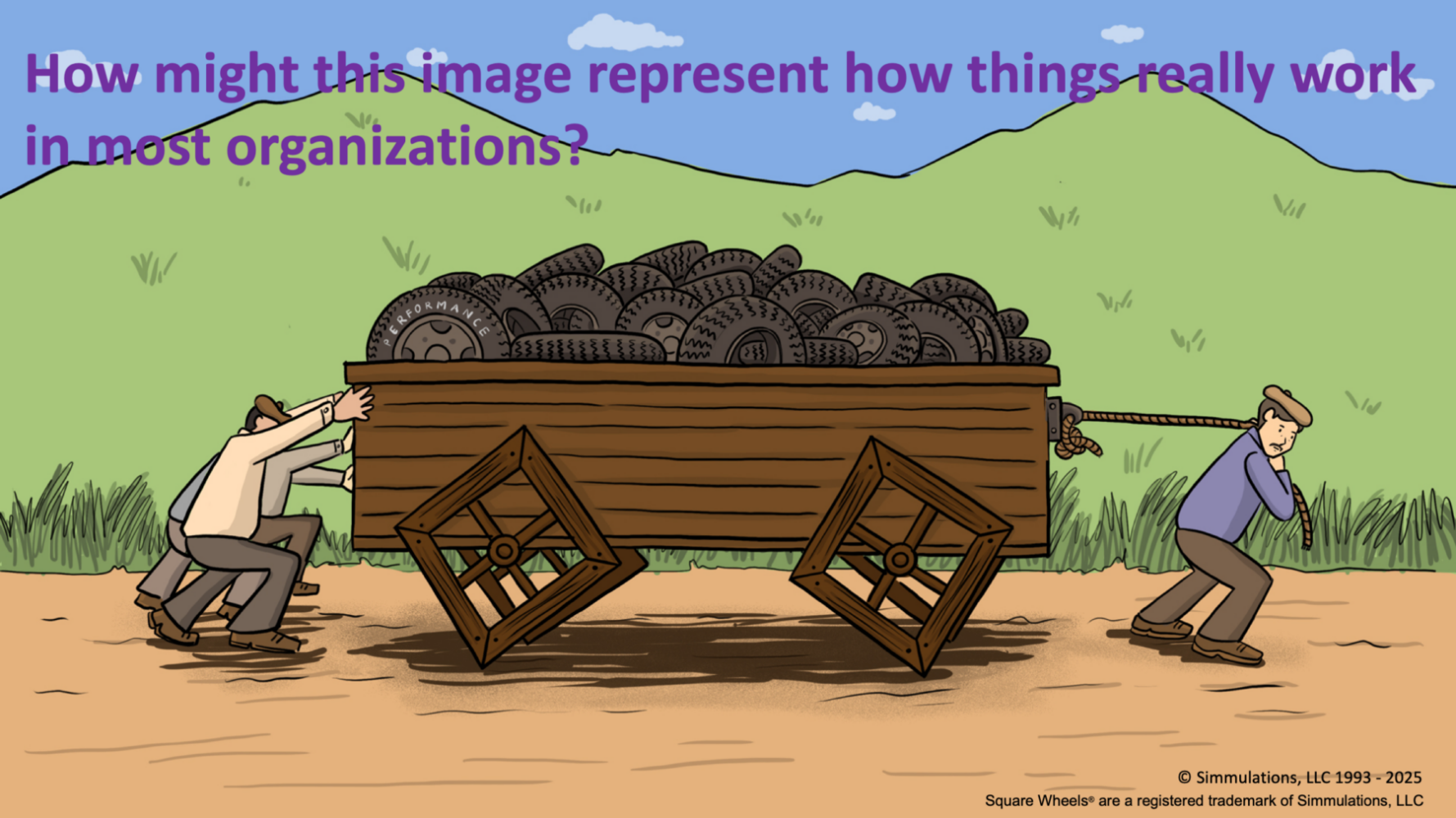
Click on this image to download Square Wheels One for FREE
Ask people:
-
“How might this image represent how things really work in most* organizations?”
-
“What do you see in this picture?”
-
“What might this have to do with how we work?”
* If you expect any resistance, be sure to use “most” and not use “your” or “our,” which can generate reactive thinking and not divergent metacognitive thinking.
Participants will project their own experiences and beliefs onto the image: policies that slow them down, systems that are clunky, communication gaps, decision bottlenecks, resource constraints. Because the wagon is “just an image,” it feels safe to talk honestly. The conversation is about the metaphor, but everyone knows it’s also about the organization.
This is a true engagement tool: people aren’t being told what’s wrong; they are openly discovering things themselves.
3. Metacognitive Moments: Thinking About How We Think
Now, you can deepen the discussion by shifting from what participants see to how they see it. Questions like:
-
“What did you notice first in the picture? What did you not notice at first? What surprised you?”
-
“What does that say about how we tend to look at problems in our organization?”
-
“Whose perspective is missing from this wagon scene in relation to our own teams?”
You can deepen this even more by explicitly inviting “inner‑voice” reflections. Ask, “As you were reacting to this image, what did you quietly say to yourself about your own role?” or “What part of this wagon scene feels most like you on a tough day?”
These questions move the conversation from abstract analysis of “the organization” into personal awareness. That’s very much in line with Peter’s approach: bringing people back to themselves, to their own responsibility, and to their own freedom to choose different responses. This is where a Square Wheels discussion stops being an interesting conversation and becomes a genuine development experience.
You are guiding participants to reflect on their own thinking patterns: what they prioritize, what they overlook, and how their mental models shape the solutions they see. That is metacognition, translated into everyday language and an experience wrapped around a metaphor. These become skills they can leave with.
In terms of organizational improvement, this is gold. You’re not only identifying issues; you’re upgrading the way people think about issues.
From Square Wheels to Round Ones: Enabling Innovation
Once people have named their Square Wheels — the policies, processes, or practices that create friction — you can pivot the energy toward innovation and enablement.
You might ask:
-
“What round wheels already exist that we are not using?”
-
“What simple, low-risk experiments could we run to test a better way?”
-
“If we fixed just one Square Wheel in the next 30 days, which one would have the biggest positive impact?”
The shift is intentional: from complaint to creation, from frustration to experiments. The metaphor gives you a natural language for supporting this transition to action:
-
Square Wheels: things that make work and progress harder than it needs to be.
-
Round Wheels: ideas, tools, or behaviors that would make things easier, faster, or more effective.
Peter would say that this is also the shifting from victimhood to ownership. When people see themselves only as pushers of someone else’s wagon, the best they can do is complain about the bumps. When they see themselves as co‑owners of the wagon – and of their own reactions – they start asking very different questions: “What am I willing to do differently?” “How can I relate differently to my boss, my team, or my customers starting this week?” As those questions take root, the Round Wheels are no longer abstract ideas; they become specific commitments grounded in personal awareness.
A goal is to make our people co-owners of the wagon.
“Nobody ever washes a rental car.”
By using this vocabulary, you are enabling people to talk about change constructively and specifically, without blame. That is the essence of a culture of continuous continuous improvement and innovation.
The Round Wheels of Today become
the Square Wheels of Tomorrow.
We need to constantly improve how things really work.
Why a being Professional Facilitator Matters
A tool is only as effective as the person using it. A professional facilitator brings three critical capabilities to a Square Wheels session:
-
Neutral Space and Safety
People are more willing to surface real issues when an external professional creates a safe container for honest dialogue. The metaphor helps, but the facilitator’s stance — curious, non-judgmental, and inclusive — is what keeps the conversation productive rather than political. This is a different dynamic from a supervisor using the tools to work within their organization. -
Structured Metacognition
The facilitator doesn’t just show the image; they design and sequence the questions that move the group from description (“What do you see?”) to reflection (“What does this say about how we work?”), to decision (“What will we actually change?”). That structure is what converts insight into action. -
Connection to Organizational Outcomes
A professional ties the conversation back to performance: customer experience, quality, speed, cost, safety, or innovation metrics. The wagon becomes a bridge from “interesting discussion” to “tangible business improvement.” A professional can also help drive implementation and the coaching of change.
When leaders hire a skilled facilitator who uses tools like Square Wheels, they are not buying a cartoon. They are investing in a guided metacognitive process that improves how the organization sees itself and how its people collaborate to change things.
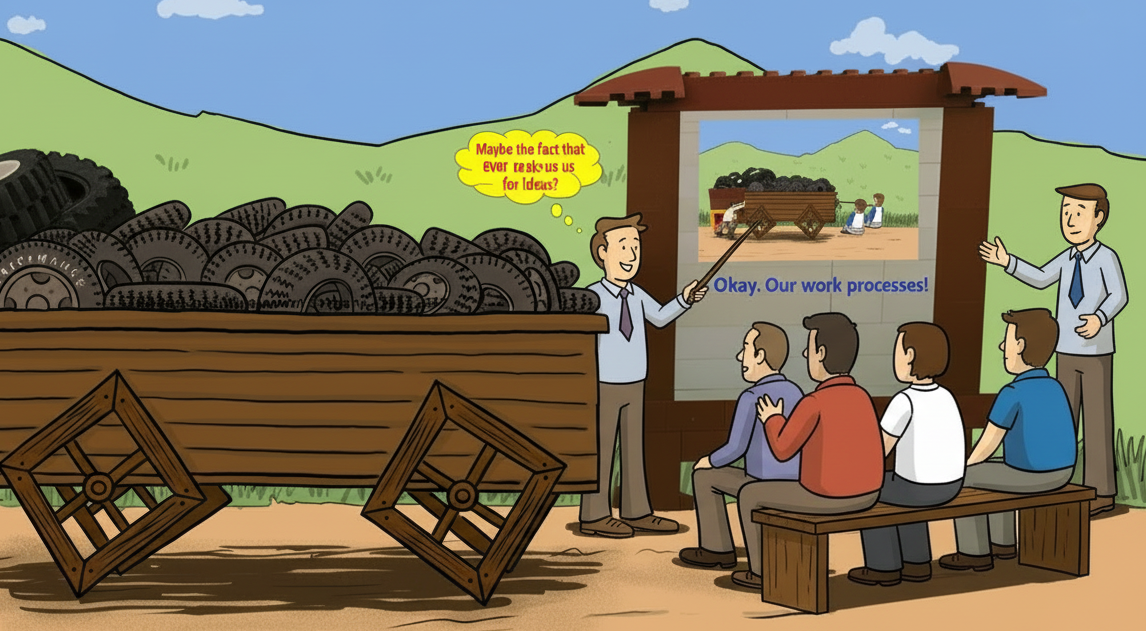
Professional facilitators can lead executive management discussions of the Square Wheels that are in the workplace – Round Wheels are already in the wagon!
Positioning your Session: A Rationale for Using Square Wheels
A facilitated Square Wheels® session on improvement and innovation:
-
Increases engagement because people see their own work and frustrations reflected in the imagery, and they are invited to shape the solutions, not just implement them.
-
Accelerates innovation by making it normal to name Square Wheels and propose Round Wheels, turning informal complaints into structured idea generation.
-
Builds capability as participants practice noticing, questioning, and reframing — metacognitive habits that they can carry into meetings, projects, and daily problem-solving.
-
Creates shared language so teams can say, “That’s a Square Wheel,” or “We’ve got a Round Wheel we’re not using,” instead of falling into blame or silence.
Ultimately, the session is not about the image. It is about equipping people to continuously improve the way they pull the wagon — together.
Bringing It All Together
“If your organization is serious about improvement and innovation, don’t start with another list of initiatives. Start by helping people see the wagon they’re actually pulling. A simple Square Wheels image, in the hands of a skilled facilitator, can unlock the honest conversations, insights, and commitments at senior levels that make change real — and keep your people engaged in the process rather than worn out by it.”
In the spirit of Peter Vadja’s work, the real leverage is not just in changing structures and processes, but in helping people notice how they think, feel, and relate in the middle of the work – and then supporting them as they choose better, more conscious round wheels for themselves and their teams.
And let’s also help our supervisors run their own wagon improvement sessions with their people,
—
For the FUN of It!
 Dr. Scott Simmerman is a designer of team building games and organization improvement tools.
Managing Partner of Performance Management Company since 1984, he is an experienced presenter and consultant who is trying to retire!! He now lives in Cuenca, Ecuador.
You can reach Scott at scott@squarewheels.com
Learn more about Scott at his LinkedIn site.
Square Wheels® are a registered trademark of Simmulations, LLC
and images have been copyrighted since 1993,
© Simmulations, LLC 1993 – 2026
What I’m About:
My Square Wheels blog and website exist to help leaders, trainers, and facilitators make work smoother, more engaging, and more human. I focus on practical tools for process improvement, organizational change, and workplace collaboration that spark insight and deliver measurable results.
And I am convinced, after 30+ years of using Square Wheels®, that it is the best facilitation toolset in the world. One can use it to involve and engage people in designing workplace improvements and building engagement and collaboration. It is a unique metaphorical approach to performance improvement and we can easily license your organization to use these images and approaches.
By blending proven facilitation methods, creative problem-solving, and engaging team activities, my mission is to support organizations in building energized, sustainable cultures of involvement and innovation.
Through accessible — and often free — resources and virtual facilitation tools, I aim to help teams everywhere collaborate more effectively, innovate continuously, and take ownership of their improvement journey.
#SquareWheels #InnovationAtWork #TeamEngagement #FacilitationTools #WorkplaceImprovement #EmployeeEngagement #CreativeProblemSolving #OrganizationalDevelopment #LeadershipTools #collaboration #leadership #motivation #communications #enablement #leadership #CreativeCommons #enablingperformance #teamwork

0 Comments