
What else can be said? Corporate performance results. Improvement is about supervisors. Choosing to change things makes a difference.
Most supervisors are being set up to fail, and the numbers are brutal enough that we can stop calling this a “soft” issue. Globally, only about one in five employees is engaged, and manager engagement is collapsing even faster, dragging performance, productivity, and wellbeing down with it. If 70% of the variance in team engagement sits with the manager, as Gallup’s research shows, then a disengaged supervisor is not just a local problem; it is a systemic performance leak; it is a hellscape for supervisors.
The 70% problem sitting in the supervisory chair
-
Global employee engagement fell from 23% in 2023 to 21% in 2024, only the second global drop in the last 12 years. But the drop is a tangible sign that things are getting worse.
-
Over the same period, manager engagement fell from 30% to 27%, with young managers (under 35) dropping 5 points and female managers dropping 7 points! (source)
-
In some regions, it is even worse: one report notes that only 16% of managers in Europe were engaged last year.
Gallup (2025) estimates that managers account for roughly 70% of the variability in engagement scores across business units. When nearly three‑quarters of supervisors are disengaged or barely hanging on, it should not surprise us that quiet quitting, burnout, and turnover feel less like trends and more like the new global operating system.
When managers disengage, performance drops
-
Gallup ties the latest engagement decline to insufficient training and support for managers among some other factors, estimating roughly 438 billion dollars in lost productivity from the 2024 drop alone. Training is one issue, enablement is another.
-
Another analysis pegs the global upside of a fully engaged workforce at 9.6 trillion dollars in additional productivity, which is about 9% of global GDP.
-
Disengaged or not‑engaged U.S. employees alone are associated with about 1.9 trillion dollars in lost productivity.
Conversely, when front-line managers are enabled and skilled, the performance swing is dramatic.
A people‑analytics study found that teams led by the top 10% of managers show double the engagement, are four times more likely to advocate for their workplace, and report significantly higher wellbeing.
This translates to up to 79% higher engagement, 131% higher workplace advocacy, and 20% better team wellbeing. The message is simple: fix the supervisor experience, or accept structurally lower performance as the cost of doing nothing.
The hidden costs for supervisors themselves
Supervisors are not just causing disengagement; they are suffering from it. These front-line managers now report the steepest engagement declines of any worker group, combined with high levels of stress, loneliness, and intent to leave. In some surveys, more than half of managers report feeling burned out, a higher rate than individual contributors, and they express greater intention to quit than the people they lead.
This “manager breakdown” is not just a human‑resources issue; it is a strategy execution risk. When the people who own 70% of the engagement variance are un-enabled, exhausted, undertrained, and emotionally detached, every initiative, AI adoption, transformation, innovation, customer experience, teamwork and collaboration, runs through a layer of leadership that is simply out of gas.
Where Square Wheels fits as a practical solution
Please note: This post is NOT written as a detailed post about using the Square Wheels tools — there are so many other posts in the blog that show how these tools can be so easily used by supervisors and managers without significant input from HR. They are not a normal “training solution” but a very simple engagement and enabling tool that you can get FREE with a Creative Commons license. The link is below.
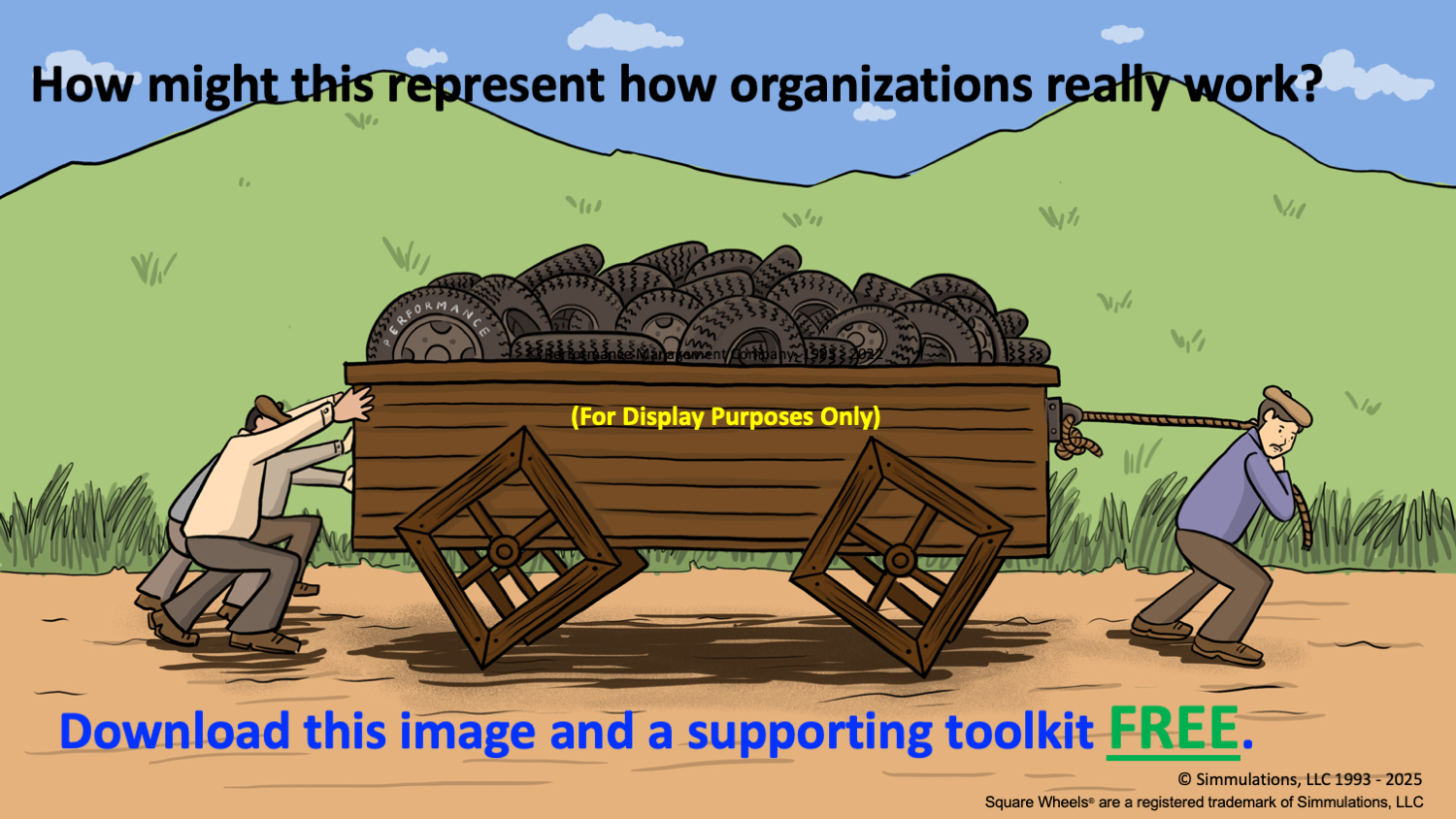
Click to download the FREE Square Wheels® One image and toolkit
Most supervisory roles are simply overloaded with meetings, reporting, and firefighting systems and processes that do not work smoothly, leaving little space for real leadership work.
But these same supervisors are told to “engage their people” but given few tools to make the work itself easier, clearer, engaging or more meaningful. This is where visual, shared metaphors like the Square Wheels images create leverage.
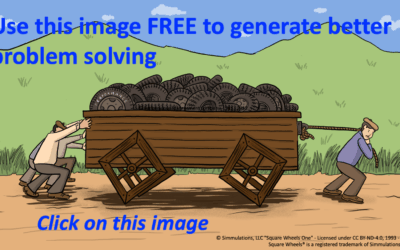
Square Wheels gives a simple language and picture for what most engagement data is screaming:
-
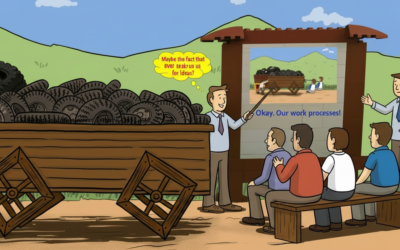
The wagon is rolling along on Square Wheels, processes are clunky, tools are outdated, and roadblocks are everywhere. In the above versions, I share the mud, spectator sheep and the silos that are so common in most workplaces
-
People may be pushing hard, and maybe they can see Round Wheels that are already in the wagon, those better ideas and improvements. The round wheels already exist, but how can we implement?
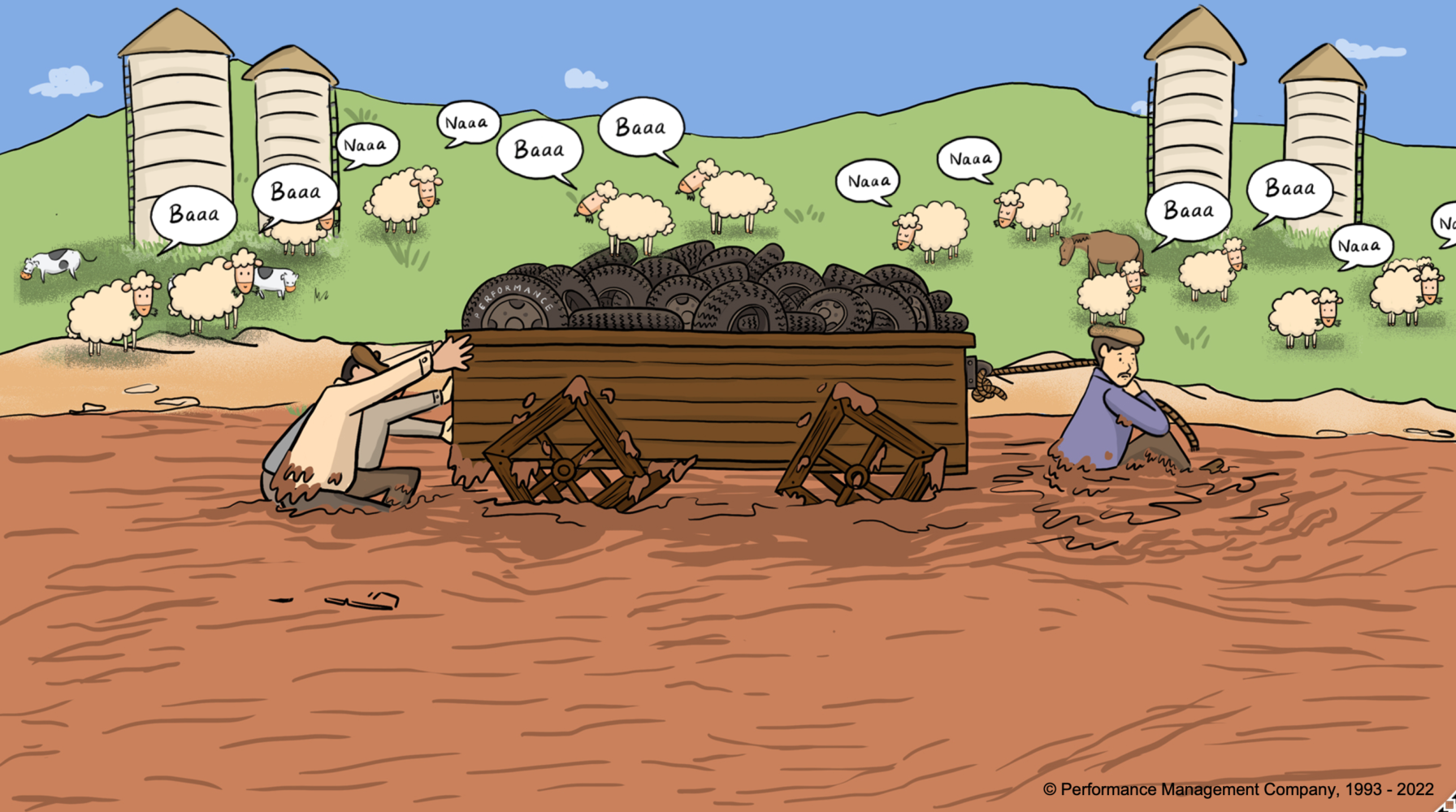
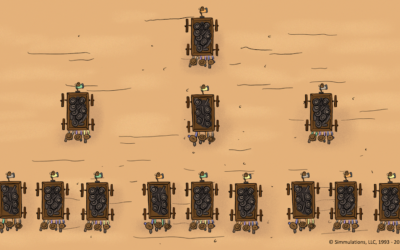
A typical day in the life of a supervisor…
By putting that picture in front of supervisors and teams, you make three evidence‑aligned moves:
-
You normalize the conversation about opportunities, roadblocks and friction, which engagement research identifies as a core driver of frustration and detachment.
-
You shift the supervisor’s role from “task enforcer” to “roadblock remover and mud manager,” which lines up with findings that quality management behavior. Active listening, responding to feedback, recognition, and coaching are what separates high‑engagement managers from the rest.
-
You create a repeatable micro‑practice: name the Square Wheels, design round wheel solutions, test a small improvement this week and implement change WITH the people; operate on their ideas. That kind of consistent, basic management behavior is exactly what high‑impact managers do differently.
In other words, Square Wheels is not just a cartoon about a thumpy, bumpy ride; it is a simple enablement system that helps supervisors do the few behaviors the data says matter most and enable desired improvements.
Turning disengaged supervisors into catalysts
Here are three practical shifts organizations can drive using Square Wheels and similar enablement tools:
-
Make “roadblock removal” a weekly ritual. A ten‑minute Square Wheels conversation in team huddles (What’s one Square Wheel we can round this week?) keeps everyone focused on improving the work, not just inspecting it. This aligns with evidence that thoughtful responses to feedback and regular recognition strongly correlate with higher engagement and advocacy.
-
Train managers on the basics of human performance improvement, not buzzwords. Coaching requires training while conversations are common. Engagement data shows that under‑35 and female managers are being hit hardest, often with too much responsibility and too little preparation. Instead of adding new initiatives, equip them with simple tools: visual metaphors, question sets, and short simple enabling loops so they can use in the flow of workplace improvement.
-
Measure the manager experience as a leading indicator. If only 27% of managers are engaged, you do not have a “people problem”; you have a leadership‑system problem. Use Square Wheels session outputs (number of roadblocks identified, improvements tested, ideas implemented) as early metrics of whether your supervisors are being enabled or merely held accountable.
The problem is clear: disengaged supervisors drag down engagement, productivity, and wellbeing at scale.
The opportunity is equally clear: give them simple, visual, evidence‑aligned tools—like your Square Wheels images to enable talk about the real work, to remove real roadblocks, and co‑create round wheel possibilities.
When you change the conversations supervisors are having with their teams, you change the statistics that end up in the next global report. And anyone can get a free toolkit using the main image for free.
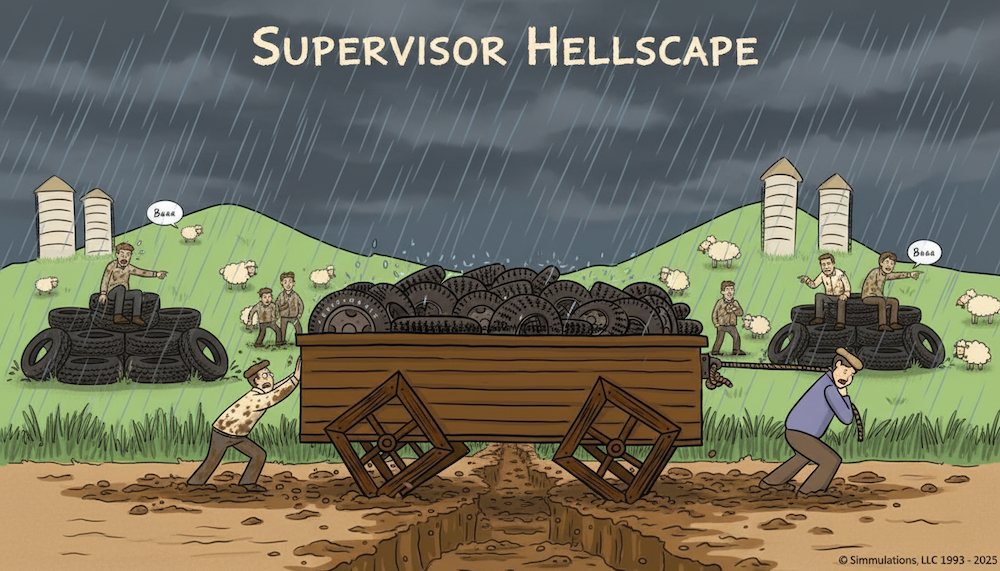
Most supervisors find themselves in a Hellscape. Why not enable them to make some improvements?
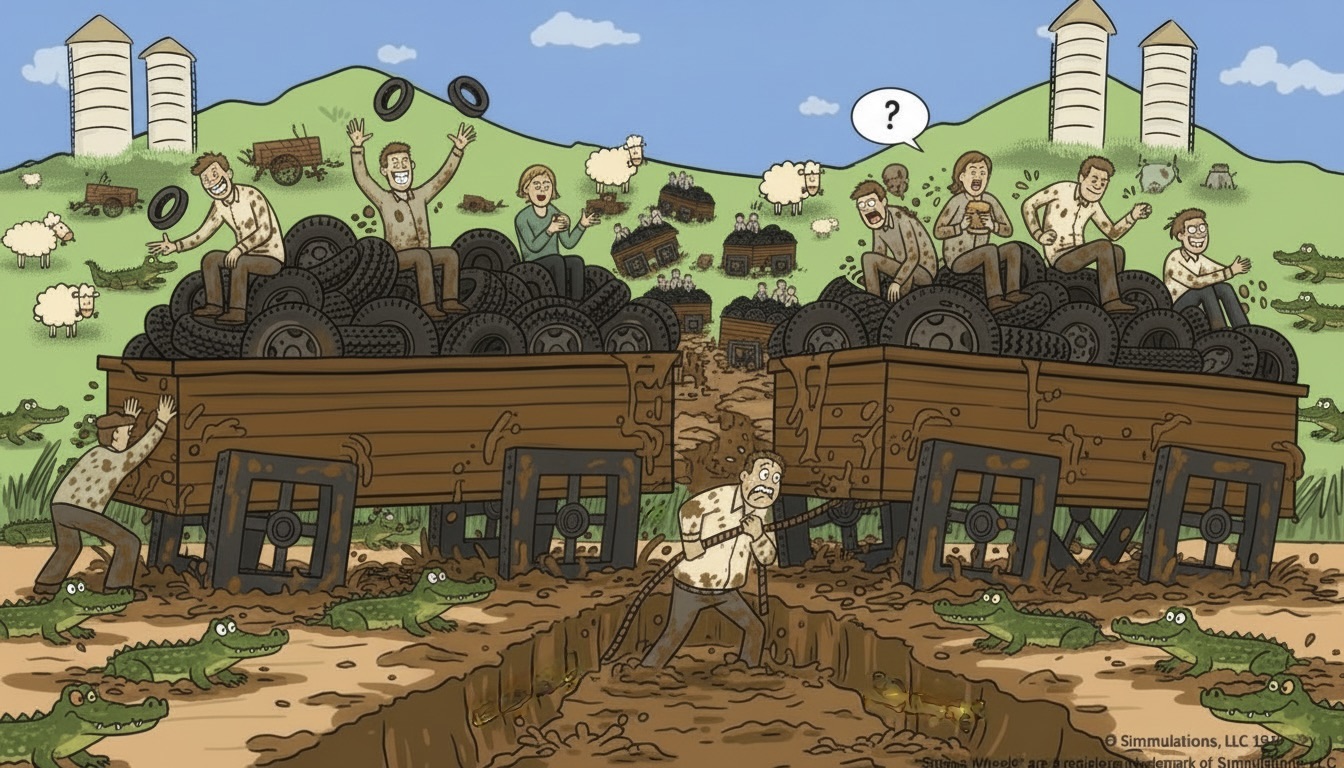
Give these supervisors some tools and support.
You can find an overview about the statistics on the Supervisor Hellscape by clicking on the image below
—
For the FUN of It!
 Dr. Scott Simmerman is a designer of team building games and organization improvement tools.
Managing Partner of Performance Management Company since 1984, he is an experienced presenter and consultant who is trying to retire!! He now lives in Cuenca, Ecuador.
You can reach Scott at scott@squarewheels.com
Learn more about Scott at his LinkedIn site.
Square Wheels® are a registered trademark of Simmulations, LLC
and images have been copyrighted since 1993,
© Simmulations, LLC 1993 – 2026
What I’m About:
My Square Wheels blog and website exist to help leaders, trainers, and facilitators make work smoother, more engaging, and more human. I focus on practical tools for process improvement, organizational change, and workplace collaboration that spark insight and deliver measurable results.
And I am convinced, after 30+ years of using Square Wheels®, that it is the best facilitation toolset in the world. One can use it to involve and engage people in designing workplace improvements and building engagement and collaboration. It is a unique metaphorical approach to performance improvement and we can easily license your organization to use these images and approaches.
By blending proven facilitation methods, creative problem-solving, and engaging team activities, my mission is to support organizations in building energized, sustainable cultures of involvement and innovation.
Through accessible — and often free — resources and virtual facilitation tools, I aim to help teams everywhere collaborate more effectively, innovate continuously, and take ownership of their improvement journey.
#SquareWheels #InnovationAtWork #TeamEngagement #FacilitationTools #WorkplaceImprovement #EmployeeEngagement #CreativeProblemSolving #OrganizationalDevelopment #LeadershipTools #collaboration #leadership #motivation #communications #enablement #leadership #CreativeCommons #enablingperformance #teamwork

0 Comments