
Empowerment and Disempowerment are certainly a reality of most workplaces. We talk about them all the time. But seldom do we talk about how we can really enable people to perform.
I’ve been playing with the notion of empowerment for a long time. And I used to use the terms “engagement” and “empowerment” almost as synonyms, because the two go hand in hand.
My first speech on this concept at an international conference was in 1995 or so… People would talk about empowering others like they could make the choice and pull people around on strings or something. Well, it just isn’t that easy and I pretty-much believe that empowering someone else is impossible, in a practical sense.
I mean, it is not MY choice if they are to be empowered. It is theirs.
And it is the same thing with engagement. They choose, not me. Based on so many things, it is evident that 79% of workers today have chosen to be disengaged. That is a hard workplace reality to ignore, along with the data saying that 70% of the supervisors were also disengaged. (Gallup, 2025)
Hell, I very seldom even use either term these days because so many people somehow believe this is something they can do to others. For me, I now anchor to the word ENABLE because it is more action-oriented.
What Perplexity said about these ideas:
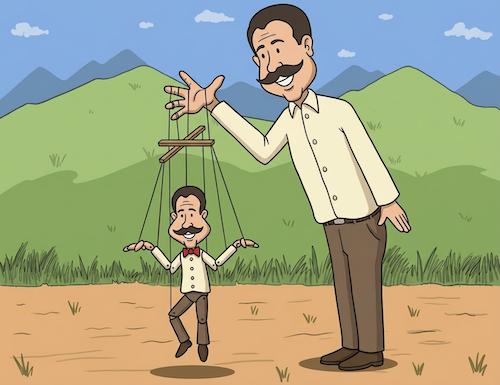
Pulling the strings to empower someone doesn’t work. Right?
Engagement and empowerment are not actions that managers do to others; they are outcomes that people choose for themselves when the conditions are right. Engagement is the personal decision to care, contribute, and connect with the work, while empowerment is the confidence and freedom to act in ways that make a difference.
Managers cannot force either—they can only enable them by creating an environment of clarity, trust, and support where people feel safe to take risks, share ideas, and own results.
In this sense, enablement becomes a deliberate managerial choice: shaping the culture so that individuals can choose to bring their best selves to the table.
So, I learned how to do a simple thing with a really funny name that works pretty well to anchor the concept. Let me explain…
Many if not most organizations have talked about “empowerment” as a motivator. They embed the word into their mission statements. They talk as if they can actually accomplish this and implement improvement and change simply by “empowering our people.” And, they somehow expect their managers to act in some way to, “go out and empower your people,” as if that is somehow possible and within their existing skillsets. Heck, they often even add a measure of some kind to this into their compensation packages / appraisal evaluation systems.
Why not simply ask them to fly to the moon?
Sorry, but most people are UN-empowered. Statistics show that maybe 30% of employees are actually engaged, defined as being actively and emotionally involved with their work and the company. (Update: 2022 Gallup data found that 17% if US workers are actively-disengaged so how empowered does one think these people really are!) It is obvious that the situation should be emproved (intentional spelling error).
(I posted up a solid article on ideas for engaging the unengaged here)
The good thing is that it is EASY to talk about empowering others. But go ahead… Just try to EMPOWER ME TO DO SOMETHING. ANYTHING. You just cannot do it. It is not your choice and you have little influence on me. One person cannot empower another. (Heck, I did have two teenagers decades ago — I was going to say “different teenagers” but I realize that the phrase is redundant).
So, leaping toward the actionable and intuitively non-obvious reality, I proposed that one of the roles of any manager — and one of the things that they can do and that has a wide variety of positive impacts on people and performance — is to do something I call:
Dis-Un-Empowerment
If so many are un-empowered, what actions of a manager might serve to remove or modify that situation so as to remove those things that people think or choose to allow to get in the way of them acting empowered?
One simple approach is to focus on better Roadblock Management. Identify the different kinds of roadblocks so as to enable people to use APPROPRIATE strategies to deal with them to remove them from affecting performance. THAT generates empowerment and engagement.
You can find a pretty simple model of my approach to Managing Roadblocks here:
Have FUN out there, dis-un-engaging people and feeling the benefits of a more involved and engaged workplace. Lead out from a better place,
—
For the FUN of It!
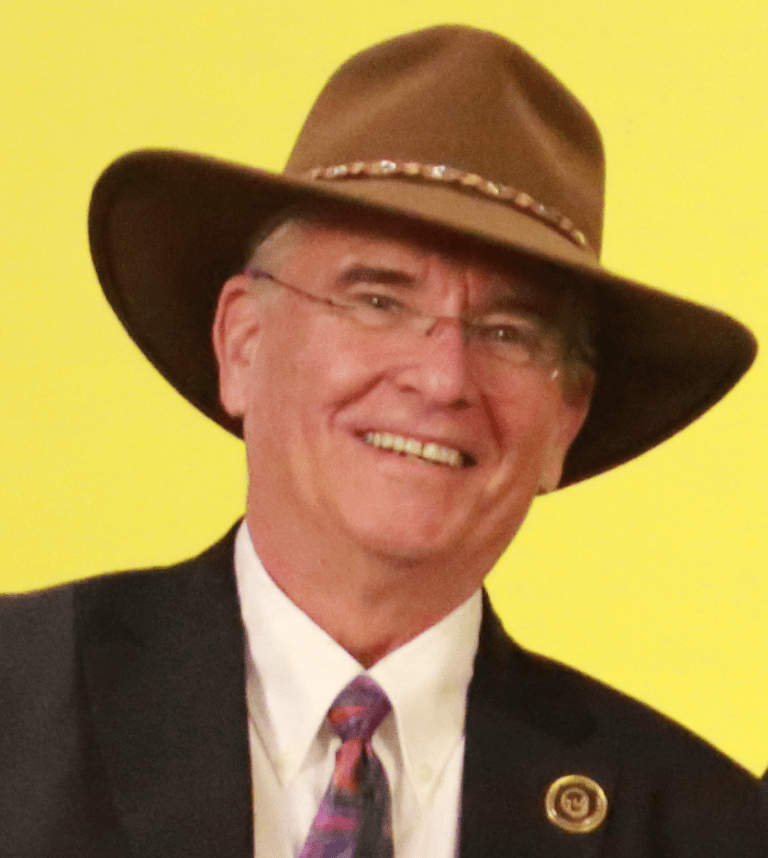 Dr. Scott Simmerman is a designer of team building games and organization improvement tools.
Managing Partner of Performance Management Company since 1984, he is an experienced presenter and consultant who is trying to retire!! He now lives in Cuenca, Ecuador.
You can reach Scott at scott@squarewheels.com
Learn more about Scott at his LinkedIn site.
Note that I often use Perplexity AI to help research and generate ideas for my posts.
Square Wheels® are a registered trademark of Simmulations, LLC
and images have been copyrighted since 1993,
© Simmulations, LLC 1993 – 2026
What I’m About:
My Square Wheels blog and website exist to help leaders, trainers, and facilitators make work smoother, more engaging, and more human. I focus on practical tools for process improvement, organizational change, and workplace collaboration that spark insight and deliver measurable results.
And I am convinced, after 30+ years of using Square Wheels®, that it is the best facilitation toolset in the world. One can use it to involve and engage people in designing workplace improvements and building engagement and collaboration. It is a unique metaphorical approach to performance improvement and we can easily license your organization to use these images and approaches.
By blending proven facilitation methods, creative problem-solving, and engaging team activities, my mission is to support organizations in building energized, sustainable cultures of involvement and innovation.
Through accessible — and often free — resources and virtual facilitation tools, I aim to help teams everywhere collaborate more effectively, innovate continuously, and take ownership of their improvement journey.
#SquareWheels #InnovationAtWork #TeamEngagement #FacilitationTools #WorkplaceImprovement #EmployeeEngagement #CreativeProblemSolving #OrganizationalDevelopment #LeadershipTools #collaboration #leadership #motivation #communications #enablement #leadership #CreativeCommons #enablingperformance #teamwork #storytelling #storyasking #un-dis-empowerment #disempowerment

0 Comments